
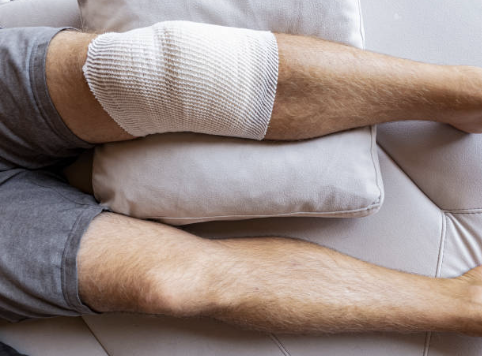
Recovering from an ACL reconstruction, meniscus repair or any other knee operation can feel overwhelming, especially in the first few weeks. But this early stage is where the foundation is built, and what you do now can have a big impact on your recovery down the track.
In the early stages, the knee is often dealing with:
Pain and swelling
Loss of range of motion
Muscle inhibition, particularly in the quadriceps
Reduced proprioception (joint awareness)
Research reinforces the importance of starting rehab early, with a 2025 study on ACL rehabilitation finding that structured rehabilitation within the first two weeks can lead to better quadriceps strength, knee range of motion and proprioception, all of which support functional recovery (Alqahtani et al., 2025).
So, what should you focus on early in your rehab?
Protect the repair
The first priority is protecting the surgical site while gradually starting the rehabilitation process. Follow your surgeon and physio's advice around:
Weight-bearing restrictions and use of crutches or other walking aids
Movements or activities to avoid
How quickly you should progress your activity
Manage pain and swelling
Pain and swelling can make it harder to activate the quadriceps, regain movement and walk normally. If they aren't managed early, they can contribute to ongoing stiffness, delayed strength gains and compensations that become harder to address later.
Strategies may include:
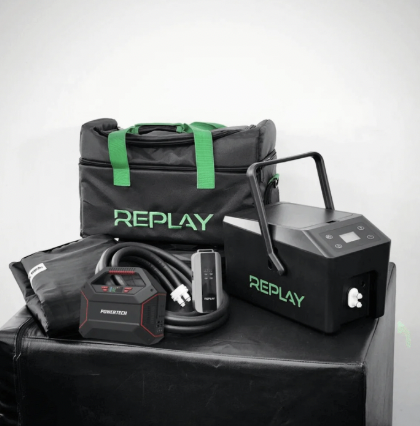
Ice at home for 15–20 minutes several times per day, alongside in-clinic options such as our REPLAY machine for targeted compression and cooling
Elevating the leg above heart level when sitting or lying down
Regular movement and exercises as advised by your physio
Restore full knee extension
Regaining movement early is important, but getting the knee fully straight should be a priority. Losing extension can affect your walking pattern and make it harder to properly activate the quadriceps.
Focus on:
Working on extension in both sitting and weight-bearing positions
Managing swelling, which can directly limit knee extension and quadriceps activation
Performing frequent, low-load extension exercises throughout the day, which research supports for restoring knee extension (Willy et al., 2018)
Restore quadriceps activation
The quadriceps can become significantly inhibited following knee surgery or injury. Poor activation can make it difficult to straighten the knee, affect walking and delay strength development.
Early strategies include:
Isometric exercises performed close to full knee extension to help restore activation (Logerstedt et al., 2012)
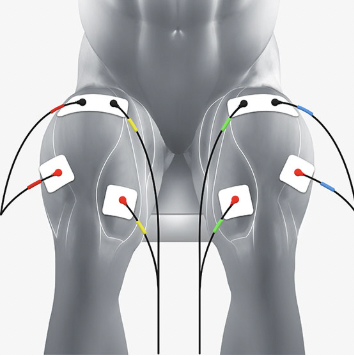
Neuromuscular Electrical Stimulation (NMES), which we use in-clinic to help improve quadriceps activation and strength, particularly after ACL reconstruction (Gullett et al., 2021–2023)
Avoiding progression to more difficult exercises before you have adequate muscle control, as this can reinforce compensations
Re-establish normal walking
When you're cleared to walk, restoring good walking mechanics is important. Depending on your surgery, this may happen at different stages.
The goal is to gradually restore:
Full knee extension during stance
Even weight distribution between both legs
A smooth heel-to-toe pattern
A reduction in compensations such as hip hitching or leaning to one side
Set realistic expectations
Rehab isn't always a straight line. Setbacks are common, and progress can sometimes feel slower than expected. Consistency is more important than intensity. Focus on the small wins, keep up with your exercises and check in regularly with your physio so your program can be adjusted as you progress.
The first stage after knee surgery is about building the foundation for everything that follows. While progress can feel slow, restoring movement, reducing swelling and reactivating your quadriceps early can make a big difference to your recovery. Getting the basics right now helps set you up for better strength, function and a smoother return to activity in the months ahead.
Article Written By Alex Di Sano